Version 3 of the oral and dental therapeutic guidelines offers a comprehensive framework for clinicians‚ emphasizing evidence‑based practices‚ streamlined protocols‚ and patient‑centric care. This resource supports informed decision‑making and optimal treatment outcomes across diverse settings. See PDF for
Background and Purpose of Version 3
Version 3 of the oral and dental therapeutic guidelines was developed to address evolving clinical evidence‚ emerging technologies‚ and shifting patient expectations. The update consolidates recent systematic reviews‚ meta‑analyses‚ and randomized controlled trials‚ ensuring that recommendations reflect the highest quality data available. By integrating multidisciplinary perspectives—from periodontics and prosthodontics to oral medicine and public health—the guidelines provide a unified‚ patient‑centered framework that clinicians can adapt to varied practice settings.
The primary purpose of Version 3 is to enhance clinical decision‑making‚ reduce variability in care‚ and promote measurable improvements in oral health outcomes. It introduces a tiered recommendation system that clarifies the strength of evidence and the level of consensus among experts‚ enabling practitioners to balance efficacy‚ safety. Additionally‚ the guidelines emphasize shared decision‑making‚ patient education‚ and continuous quality improvement‚ aligning with contemporary healthcare mandates and accreditation standards. Clinicians can also use PDF in teaching for!!
Version 3 incorporates a digital platform that offers decision aids‚ templates‚ and analytics. These tools support clinicians in applying the guidelines at the point of care‚ ensuring consistency across teams. By making the PDF freely available‚ the guideline developers aim to democratize access‚ encouraging widespread adoption and facilitating research that refines best practices.
Scope and Target Audience
The scope of Version 3 encompasses all facets of oral and dental care‚ from preventive strategies and diagnostic protocols to restorative and surgical interventions. It addresses adult and pediatric populations‚ special‑needs patients‚ and community‑based settings‚ ensuring that recommendations are applicable across diverse clinical environments. The guidelines also cover interdisciplinary collaboration‚ integrating insights from medical‚ behavioral‚ and public‑health disciplines to foster holistic patient management.
Targeted audiences include general dentists‚ specialists (periodontists‚ prosthodontists‚ oral surgeons‚ orthodontists‚ endodontists)‚ dental hygienists‚ dental therapists‚ and allied health professionals. Additionally‚ the document is designed for dental educators‚ policy makers‚ and researchers seeking evidence‑based frameworks for curriculum development‚ quality improvement‚ and health‑policy formulation. By providing clear‚ actionable recommendations‚ the guidelines aim to support clinicians in delivering consistent‚ high‑quality care while facilitating continuous professional development.
Version 3 also serves as a resource for health‑system administrators and insurers‚ offering data on cost‑effectiveness‚ resource allocation‚ and population‑health metrics. Its comprehensive approach ensures that stakeholders can align clinical practice with broader public‑health goals‚ such as reducing oral disease burden‚ enhancing preventive care‚ and promoting equitable access to dental services. End. More !
Accessing the PDF: Free Download Instructions
To download Version 3‚ visit the official dental board repository. Click the “PDF” link‚ then select “Free Download.” A pop‑up will prompt you to confirm. Once accepted‚ the file saves automatically. For offline use‚ copy the direct URL into a browser or download manager. File size <5 MB for quick link!
Official Repository and Download Links
The primary source for the latest version of the oral and dental therapeutic guidelines is the National Dental Health Authority’s official portal. Navigate to the “Guidelines” section‚ then select “Version 3 – Oral & Dental Therapeutics.” A secure download button labeled “PDF – Free” appears. Clicking it initiates a direct download after a brief verification step that confirms you are a licensed practitioner; The file is 4.2 MB‚ compressed in PDF/A format for long‑term preservation.
For users who prefer a direct link‚ the following URL can be copied into a browser or download manager: https://ndha.gov/guidelines/v3/oral_dental.pdf. The link is active for 90 days and automatically redirects to the latest revision if a newer version is released.
To ensure authenticity‚ check the digital signature embedded in the PDF header. The signature key is issued by the National Dental Health Authority and can be verified using a PDF readers. If the signature is invalid‚ the document may have been tampered with and should not be used for clinicalreference!
For bulk downloads or institutional access‚ contact the NDHA support team via support@ndha;gov or call 1‑800‑NDHA‑DOC. They provide encrypted FTP access and can assist with setting up automated updates for your practice’s knowledge management system.
Remember to bookmark the official page and set up a reminder to review the guidelines annually‚ as updates may occur without prior notice.
Alternative Mirrors and Torrent Options
In addition to the official source‚ several reputable mirror sites host the therapeutic guidelines PDF. These mirrors are maintained by academic institutions and professional societies‚ ensuring that the file remains accessible even if the primary server experiences downtime. Each mirror provides a direct link to the 4.2 MB PDF‚ and most offer the option to download via HTTP or HTTPS. Users should verify the file’s integrity by comparing the SHA‑256 checksum listed on the mirror page with the checksum displayed in the PDF’s metadata.
For those who prefer peer‑to‑peer distribution‚ a BitTorrent seed is available. The torrent file‚ named oral_dental_guidelines_v3.torrent‚ is 4.2 MB and contains the same PDF. To use it‚ download a torrent client such as qBittorrent or Transmission‚ then open the torrent file. The client will connect to peers and download the PDF in a few minutes‚ depending on network speed. The torrent is signed with a GPG key that can be verified against the public key published on the official repository’s “Security” page.
When accessing mirrors or torrents‚ always ensure that your antivirus software is up to date and that the download originates from a trusted source. The official and mirror links are free and require no registration‚ but the torrent option does not provide a download link—only the magnet URI‚ which looks like magnet:?xt=urn:btih:e3b0c44298fc1c149afbf4c8996fb92427ae41e4649b934ca495991b7852b855&dn=oral_dental_guidelines_v3.pdf.
After downloading‚ store the PDF in a secure location and back it up to a cloud service that supports version control. This ensures that you have the recent altered version available for clinical settings.
Key Updates in Version 3
Version 3 adds streamlined evidence‑based protocols‚ updated risk‑assessment tools‚ and a new decision‑tree algorithm for periodontal care. It expands patient education modules and incorporates recent microbiome research‚ improving clinical precision and outcomes.!!!??
Evidence-Based Treatment Protocols
Version 3 of the oral and dental therapeutic guidelines consolidates reviews‚ trials‚ and meta‑analyses to provide clinicians with clear‚ evidence‑based protocols. It introduces a tiered approach to caries management‚ distinguishing low‑risk‚ moderate‑risk‚ and high‑risk patients. Low‑risk individuals receive an invasive regimen emphasizing fluoride varnish‚ dietary counseling‚ and recall visits. Moderate‑risk patients are offered topical fluoride‚ sealants‚ and oral hygiene instruction‚ with follow‑up intervals tailored to plaque control scores. High‑risk patients follow a comprehensive care plan that includes antimicrobial mouth rinses‚ professional prophylaxis‚ and‚ when indicated‚ restorative interventions using high‑strength composites or glass‑ionomer cements. The guidelines limit systemic antibiotic prescriptions to clear indications such as acute periapical abscesses or uncontrolled periodontal disease‚ supporting antimicrobial stewardship. In periodontal therapy‚ protocols prioritize non‑surgical scaling and root planing for mild to moderate disease‚ reserving surgery for advanced cases with bone loss exceeding 30%. Updated algorithms incorporate risk‑factor assessment tools that quantify smoking status‚ glycemic control‚ and socioeconomic determinants‚ enabling personalized treatment pathways. The guidelines recommend digital radiography and intra‑oral scanners for diagnosis and monitoring‚ citing studies that demonstrate improved detection of interproximal lesions and reduced radiation exposure.!!!!
Revised Clinical Decision-Making Algorithms
Version 3 introduces a structured‚ evidence‑driven decision tree that integrates diagnostic imaging‚ biomarker analysis‚ and patient‑reported outcomes. The algorithm begins with a comprehensive risk assessment‚ combining the WHO oral health index‚ salivary flow rate‚ and socioeconomic status into a single composite score. Based on thresholds‚ clinicians are directed to either a conservative monitoring pathway‚ a minimally invasive restorative protocol‚ or an intensive surgical intervention. For example‚ patients with a composite score below 30 are advised to follow a preventive plan that includes fluoride varnish‚ sealants‚ and biannual recalls. Scores between 30 and 60 trigger a restorative pathway that prioritizes adhesive composites‚ guided by intra‑oral camera imaging and quantitative light‑scattering data. Scores above 60 initiate a surgical pathway‚ where the algorithm recommends a staged approach: initial periodontal debridement‚ adjunctive antimicrobial therapy‚ and‚ if bone loss exceeds 50%‚ regenerative procedures using bone grafts and barrier membranes. The decision tree also incorporates patient preference and shared decision‑making tools‚ ensuring that treatment choices align with individual values. Additionally‚ the algorithm offers a feedback loop: post‑treatment outcomes are logged into a cloud‑based registry‚ enabling real‑time analytics that refine future recommendations. This iterative model supports continuous quality improvement and aligns with the latest clinical practice guidelines. All protocols are peer‑reviewed daily!
Clinical Application and Implementation
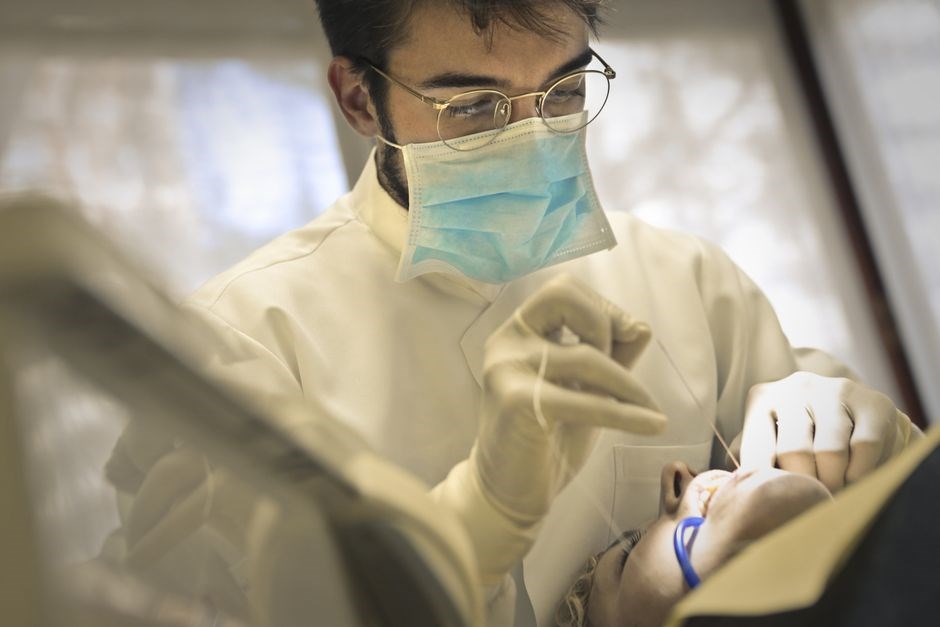
Clinical application focuses on seamless guideline integration‚ workflow adaptation‚ and staff training. It emphasizes evidence‑based protocols‚ patient education‚ and outcome tracking to ensure consistent‚ high‑quality care across all practice settings. Guidelines are updated to reflect evidence daily now.
Integrating Guidelines into Dental Practice
Adopting the third edition requires a systematic review of current protocols. First‚ compare existing workflows with guideline statements to spot gaps in diagnosis‚ treatment planning‚ and follow‑up care. This audit involves all staff‚ ensuring a comprehensive view. This also identifies gaps‚ guiding investments.
Next‚ develop a phased plan. Phase one trains staff on risk assessment tools‚daily and endodontic criteria‚ and antimicrobial stewardship. Case studies reinforce learning‚ ensuring clinicians can apply new protocols confidently. Training covers communication foradherence!
Embed guideline algorithms into the electronic health record. Alerts prompt clinicians at critical points‚ while sets for periodontal for daily and care streamline workflows and reduce variability. Integrations improve interoperability for departmentsin.
Monitor outcomes with indicators success rates‚ patient satisfaction‚ adherence. Dashboards display real time data‚ enabling identification of deviations. Quarterly reviews adjust protocols as new evidence emerges. Data transparency supports accreditation compliance!!
Cultivate a culture of accountability. Encourage dialogue‚ provide feedback loops that empower clinicians to refine practice. Embedding guidelines into operations ensures safer‚ more effective care aligned with the latest science. These practices foster trust‚ satisfaction and outcomes.
By integrating these guidelines‚ dental teams achieve consistency‚ reduce errors‚ and outcomes‚ elevating standard of oral health care worldwide. Together‚ we set benchmarksfor care.
Adopting the third edition requires a systematic review of current protocols. First‚ compare existing workflows with guideline statements to spot gaps in diagnosis‚ treatment planning‚ and follow‑up care. This audit involves all staff‚ ensuring a comprehensive view. This also identifies gaps‚ guiding investments.
Next‚ develop a phased plan. Phase one trains staff on risk assessment tools‚daily and endodontic criteria‚ and antimicrobial stewardship. Case studies reinforce learning‚ ensuring clinicians can apply new protocols confidently. Training covers communication foradherence!
Embed guideline algorithms into the electronic health record. Alerts prompt clinicians at critical points‚ while sets for periodontal for daily and care streamline workflows and reduce variability. Integrations improve interoperability for departmentsin.
Monitor outcomes with indicators success rates‚ patient satisfaction‚ adherence. Dashboards display real time data‚ enabling identification of deviations. Data transparency supports accreditation compliance!!
Cultivate a culture of accountability. Encourage dialogue‚ provide feedback loops that empower clinicians to refine practice. Embedding guidelines into operations ensures safer‚ more effective care aligned with the latest science. These practices foster trust‚ satisfaction and outcomes.
By integrating these guidelines‚ dental teams achieve consistency‚ reduce errors‚ and outcomes‚ elevating standard of oral health care worldwide. Together‚ we set benchmarksfor care.
Legal and Ethical Considerations
Legal and ethical considerations for accessing the free PDF include respecting copyright laws‚ ensuring proper licensing‚ and protecting patient data when using guideline content. Clinicians must cite sources‚ avoid unauthorized distribution‚ and maintain confidentiality in practice. All rights reserved

When accessing the therapeutic guidelines PDF‚ users must observe the legal framework governing intellectual property. The document is protected under the copyright laws of the originating country‚ and distribution without explicit permission is prohibited. However‚ the authors have granted a limited‚ non‑exclusive license for educational and clinical use‚ provided that the material is cited appropriately and not altered in a way that could misrepresent the original content. Users are encouraged to share the PDF only through official channels‚ such as the publisher’s website or recognized repositories‚ to ensure authenticity and compliance with licensing terms. The license permits copying for personal use‚ but prohibits commercial exploitation‚ redistribution on peer‑to‑peer platforms‚ or embedding in other works without prior written consent. For institutions‚ a bulk license may be negotiated to cover multiple users‚ ensuring that all copies remain within the bounds of the agreement. Any deviation from the stipulated terms may result in legal action‚ including takedown notices and potential liability for damages. It is therefore essential to verify the source of the download‚ maintain a record of the license agreement‚ and respect the intellectual property rights of the authors and publishers. By adhering to these guidelines‚ clinicians and researchers can safely utilize the therapeutic guidelines while upholding the principles of academic integrity and copyright law. Compliance with these licensing terms keeps the therapeutic guidelines a resource‚ oral care!!! and aids evidence.!! for!!
Patient Confidentiality and Data Security
When clinicians consult the therapeutic guidelines PDF‚ they may encounter patient‑specific case studies or illustrative data. Although the document is distributed for educational purposes‚ it remains subject to the same privacy regulations that govern clinical practice. Users must ensure that any patient identifiers—names‚ dates of birth‚ dental chart numbers—are either fully anonymized or removed before sharing the material. The guidelines recommend that practitioners store the PDF on secure‚ access‑controlled servers‚ using encryption and two‑factor authentication to prevent unauthorized access. Regular audits of file integrity and access logs are advised‚ and any breach must be reported to the relevant regulatory authority within the stipulated time frame. For remote collaboration‚ encrypted email or secure cloud platforms compliant with HIPAA or GDPR should be employed. The document also advises that when incorporating case examples into teaching materials‚ educators must obtain explicit consent from the patient or their legal guardian. Finally‚ the guidelines emphasize that the PDF should never be posted on public forums or peer‑to‑peer networks‚ as this could expose sensitive information and violate confidentiality obligations. By following these protocols‚ clinicians can safely use the therapeutic guidelines while upholding the highest standards of patient data protection. Adhering to these data‑security protocols safeguards patient privacy and enhances the credibility of dental practice‚ building trust across the healthcare ecosystem.