Diet for Ulcers: A Comprehensive Guide (Updated April 21, 2026)
Recent federal nutrition advice emphasizes whole foods and protein, advocating for reduced processed food and sugar intake – crucial considerations when managing ulcer-related dietary needs.
A downloadable diet for ulcers PDF guide will provide detailed meal plans, food lists, and practical tips for optimizing healing and symptom management through nutrition.
Understanding Peptic Ulcers
Peptic ulcers are open sores that develop in the lining of the stomach, esophagus, or small intestine. These painful sores occur when digestive acids erode the protective tissue lining. Understanding the interplay between diet and ulcer development is paramount for effective management.
A comprehensive diet for ulcers PDF resource will detail how specific foods can either exacerbate or soothe ulcer symptoms. It will explain the importance of a balanced nutritional approach, focusing on foods that promote healing and minimize irritation. The PDF will also clarify that diet alone isn’t a cure, but a vital component of a broader treatment plan.
Furthermore, the guide will emphasize the significance of identifying individual food triggers. What bothers one person may not affect another. A diet for ulcers PDF will empower individuals to make informed dietary choices, complementing medical treatment and improving overall well-being. It will also highlight the connection between overall nutrition and gut health.
Causes of Peptic Ulcers: H. pylori & NSAIDs
The primary causes of peptic ulcers are infection with the bacterium Helicobacter pylori (H. pylori) and long-term use of nonsteroidal anti-inflammatory drugs (NSAIDs). While diet doesn’t cause these ulcers, it significantly impacts their healing and symptom management. A diet for ulcers PDF will explain this crucial distinction.
The PDF resource will detail how dietary choices can influence the gut microbiome, potentially affecting H. pylori colonization. It will also outline how certain foods can worsen the stomach irritation caused by NSAIDs. Understanding these interactions is key to creating a supportive dietary plan.
A diet for ulcers PDF will emphasize that managing these underlying causes often requires medical intervention (antibiotics for H. pylori, alternative pain relief for NSAID users). However, dietary modifications can reduce discomfort, protect the stomach lining, and enhance the effectiveness of treatment. It will also provide guidance on foods to avoid while on medication.
The Role of Diet in Ulcer Healing
Diet plays a supportive, though not curative, role in peptic ulcer healing. While antibiotics eradicate H. pylori and discontinuing NSAIDs addresses their impact, a tailored diet minimizes irritation and promotes tissue repair. A comprehensive diet for ulcers PDF will detail these strategies.
The PDF resource will explain how specific nutrients contribute to stomach lining protection and reduce acid production. It will emphasize that dietary changes aren’t a standalone treatment but a vital component of a holistic approach. Focusing on easily digestible foods reduces the stomach’s workload, allowing it to focus on healing.
A diet for ulcers PDF will highlight the importance of identifying and eliminating trigger foods – those that exacerbate symptoms. It will also provide guidance on meal timing and portion sizes to maintain consistent stomach pH. Ultimately, a well-planned diet enhances comfort and supports the body’s natural healing processes.
Foods to Emphasize in an Ulcer Diet
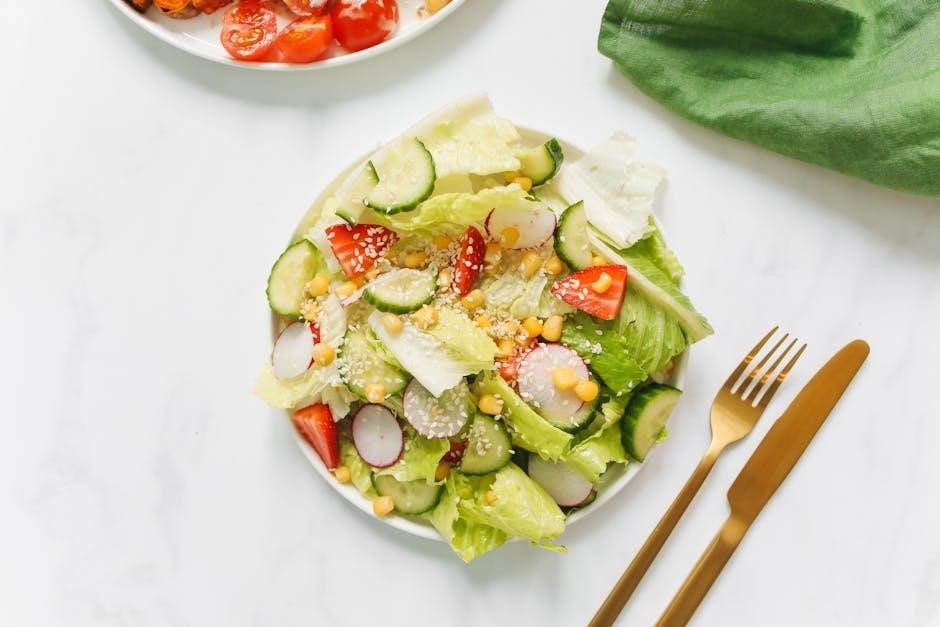
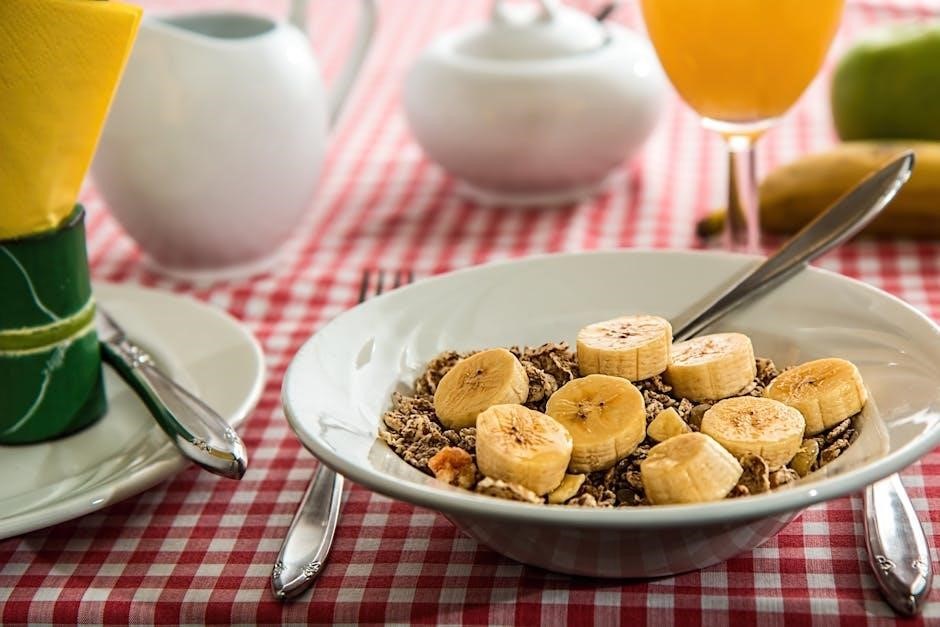
A detailed diet for ulcers PDF will showcase foods that actively support healing and minimize discomfort. Prioritize probiotic-rich options like yogurt and kefir to foster a healthy gut microbiome, crucial for overall digestive health. High-fiber foods, such as oatmeal and bananas, create a protective layer within the stomach.
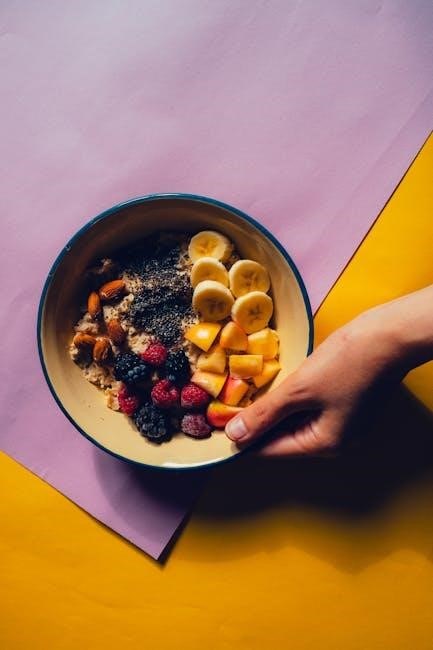
Lean protein sources – chicken, fish, and tofu – are essential for tissue repair without adding excessive digestive stress. The diet for ulcers PDF will also emphasize foods abundant in Vitamin C and antioxidants, like berries and leafy greens, to combat inflammation and promote cellular regeneration.
These food groups work synergistically to reduce acid production, soothe irritation, and strengthen the stomach lining. The PDF will provide specific serving suggestions and recipe ideas to easily incorporate these beneficial foods into daily meals, aiding in a faster and more comfortable recovery.
Probiotic-Rich Foods for Gut Health
Our comprehensive diet for ulcers PDF highlights the vital role of probiotics in restoring a balanced gut microbiome. Foods like yogurt (with live and active cultures), kefir, sauerkraut, kimchi, and kombucha introduce beneficial bacteria that can help combat H. pylori, a common cause of ulcers.
These probiotics aid digestion, reduce inflammation, and strengthen the intestinal barrier, protecting the stomach lining from further irritation; The diet for ulcers PDF details specific strains of bacteria to look for and provides guidance on incorporating fermented foods safely.
It also addresses potential sensitivities and suggests starting with small portions to assess tolerance. Remember, a healthy gut is fundamental to ulcer healing, and probiotic-rich foods are a cornerstone of this dietary approach, as detailed within the PDF.
High-Fiber Foods: Protecting the Stomach Lining
The diet for ulcers PDF emphasizes the protective benefits of high-fiber foods. Fiber creates a physical barrier within the digestive tract, shielding the stomach lining from harsh acids and irritants. Excellent sources include oatmeal, sweet potatoes, bananas, apples (peeled), and various non-cruciferous vegetables like carrots and squash.
Fiber also promotes regular bowel movements, reducing pressure on the stomach and aiding in the elimination of waste. Our diet for ulcers PDF provides a detailed list of fiber-rich options and suggests gradual increases in intake to avoid bloating or discomfort.
It clarifies the difference between soluble and insoluble fiber, recommending a balance of both for optimal gut health. Prioritizing fiber is a simple yet powerful strategy for supporting ulcer healing, as thoroughly explained in the downloadable guide.
Lean Protein Sources for Tissue Repair
Our comprehensive diet for ulcers PDF highlights the critical role of lean protein in repairing damaged stomach tissue. Ulcers erode the protective lining, and protein provides the building blocks – amino acids – necessary for rebuilding and healing. Prioritize sources like skinless poultry, fish (salmon, tuna), tofu, and legumes.
The diet for ulcers PDF details appropriate portion sizes and cooking methods to minimize irritation. Avoid fried or heavily seasoned proteins, opting instead for baking, grilling, or poaching. It also addresses concerns about protein digestion, recommending smaller, more frequent protein intakes throughout the day.
Furthermore, the guide clarifies how protein supports overall immune function, vital for combating H. pylori infection, a common ulcer cause. A well-planned protein intake, as outlined in the PDF, is fundamental to successful ulcer management.
Foods Rich in Vitamin C & Antioxidants
The diet for ulcers PDF emphasizes the protective benefits of Vitamin C and antioxidants. These compounds combat oxidative stress, a factor contributing to ulcer development and hindering healing. Focus on incorporating foods like berries, bell peppers, broccoli, and leafy greens into your daily meals.
Our detailed diet for ulcers PDF provides specific serving suggestions and explains how antioxidants strengthen the stomach lining, offering a natural defense against irritants. It also clarifies the importance of consuming these nutrients consistently, rather than relying on occasional high doses.
The guide further details how Vitamin C aids collagen production, essential for tissue repair. It addresses potential sensitivities, suggesting starting with smaller portions and monitoring tolerance. A balanced intake, as detailed in the PDF, supports a robust healing process.
Foods to Avoid or Limit with Ulcers
The comprehensive diet for ulcers PDF meticulously outlines foods to avoid or significantly limit to promote healing and minimize discomfort. Highly processed foods, laden with added sugars, are flagged as detrimental, aligning with recent federal nutrition advice. These can exacerbate inflammation and impede recovery.
Our diet for ulcers PDF details how certain food groups, while nutritious for some, can trigger ulcer symptoms. This includes a detailed list of spicy foods, acidic fruits (citrus, tomatoes), and high-fat options, explaining the mechanisms behind their irritant effects.
The guide emphasizes personalized tolerance; what bothers one individual may not affect another. It encourages a cautious approach, suggesting gradual reintroduction of potentially problematic foods while closely monitoring symptoms. The PDF provides a symptom tracker for effective self-monitoring.
Spicy Foods & Irritation
The diet for ulcers PDF dedicates significant attention to the impact of spicy foods, detailing how capsaicin, the active component in chili peppers, can directly irritate the stomach lining. This irritation can worsen existing ulcer pain and potentially delay the healing process.
Our guide doesn’t advocate for complete elimination for everyone, but strongly advises caution. It explains that individual tolerance varies greatly. The diet for ulcers PDF suggests starting with very mild spices and carefully observing the body’s response.
It also clarifies that “spicy” isn’t limited to chili peppers; foods containing black pepper, garlic powder, or even certain mustards can contribute to irritation. The PDF offers a list of milder seasoning alternatives and provides recipes designed to be gentle on the digestive system.
Acidic Foods: Citrus, Tomatoes, & Coffee
The comprehensive diet for ulcers PDF thoroughly examines the role of acidic foods in exacerbating ulcer symptoms. It details how citrus fruits (oranges, lemons, grapefruit), tomatoes and tomato-based products (sauces, ketchup), and caffeinated beverages like coffee can increase stomach acid production.
This increased acidity can erode the protective lining of the stomach and duodenum, intensifying pain and hindering ulcer healing. The diet for ulcers PDF doesn’t necessarily call for complete avoidance, but recommends moderation and mindful consumption.
It suggests pairing acidic foods with alkaline-rich options to help neutralize the acid. The guide also provides a detailed list of alternative beverages and fruit choices, alongside recipes that minimize acidic ingredients, offering practical solutions for managing dietary intake.
Fatty Foods & Digestion Issues
Our detailed diet for ulcers PDF highlights the connection between high-fat food consumption and digestive discomfort in individuals with peptic ulcers. Fatty foods, including fried items, rich sauces, and high-fat meats, slow down the rate of stomach emptying.
This delayed gastric emptying increases the time stomach acid is in contact with the ulcerated area, potentially worsening irritation and pain. The diet for ulcers PDF explains how this prolonged exposure hinders the healing process and can contribute to symptom flare-ups.
The guide emphasizes choosing lean protein sources and low-fat cooking methods. It provides a comprehensive list of healthy fat alternatives and offers practical meal suggestions designed to minimize digestive distress, promoting a more comfortable and effective healing journey.
Alcohol & Ulcer Complications
The diet for ulcers PDF comprehensively addresses the detrimental effects of alcohol consumption on ulcer healing and overall gastrointestinal health. Alcohol directly irritates the stomach lining, exacerbating existing ulcerations and hindering the body’s natural repair mechanisms.
Furthermore, alcohol increases stomach acid production, intensifying pain and potentially leading to bleeding. Our guide details how even moderate alcohol intake can significantly impede ulcer recovery, emphasizing complete avoidance during the healing phase.
The diet for ulcers PDF also clarifies the potential for alcohol to interact negatively with ulcer medications, reducing their effectiveness. It offers supportive resources for individuals struggling with alcohol dependence and provides alternative beverage options to maintain hydration and well-being throughout the recovery process.
Meal Planning for Ulcer Management
The diet for ulcers PDF provides a structured approach to meal planning, recognizing the critical role of consistent, gentle nourishment in ulcer healing. It advocates for small, frequent meals throughout the day – typically five to six – to minimize stomach emptiness and reduce acid concentration.
Our guide includes a detailed seven-day sample meal plan, featuring ulcer-friendly recipes and portion sizes. Emphasis is placed on incorporating probiotic-rich foods, lean proteins, and fiber-rich vegetables, while strictly avoiding irritants like spicy or acidic items.
The diet for ulcers PDF also highlights the importance of adequate hydration, recommending at least eight glasses of water daily to support digestion and protect the stomach lining. It offers practical tips for preparing meals in advance and managing cravings, ensuring adherence to the dietary guidelines for optimal recovery.
Frequency of Meals: Small, Frequent Eating
The diet for ulcers PDF strongly emphasizes the benefit of consuming smaller, more frequent meals throughout the day, rather than three large ones. This strategy is designed to maintain a consistent level of food in the stomach, buffering acid production and preventing prolonged exposure of the ulcer to digestive juices;
Our guide recommends eating every two to three hours, even if it’s just a small snack. This minimizes stomach emptiness, a key trigger for acid secretion and potential discomfort. Portion control is crucial; meals should be easily digestible and not overly filling.
The diet for ulcers PDF provides a sample schedule and practical tips for incorporating this eating pattern into a busy lifestyle. It also details how to choose appropriate snack options that support healing and avoid exacerbating symptoms, promoting consistent comfort and recovery.
Hydration: The Importance of Water
Adequate hydration is a cornerstone of ulcer management, and our diet for ulcers PDF dedicates significant attention to this vital aspect. Water plays a crucial role in maintaining the mucosal lining of the stomach, protecting it from the damaging effects of acid. It also aids in digestion and nutrient absorption, supporting the healing process.
The guide recommends drinking at least eight glasses of water daily, and even more if experiencing diarrhea or vomiting. Avoiding sugary drinks and excessive caffeine is also emphasized, as these can irritate the stomach lining. Water helps dilute stomach acid, reducing its potency and minimizing discomfort.
The diet for ulcers PDF offers practical tips for increasing water intake throughout the day, including carrying a reusable water bottle and setting reminders. Proper hydration is presented as a simple yet powerful tool for symptom relief and overall well-being during ulcer recovery.
Sample Meal Plan for a Week
Our comprehensive diet for ulcers PDF includes a detailed seven-day meal plan designed to promote healing and minimize discomfort. This plan prioritizes easily digestible foods, lean proteins, and ample hydration, aligning with the latest federal nutrition advice emphasizing whole foods.
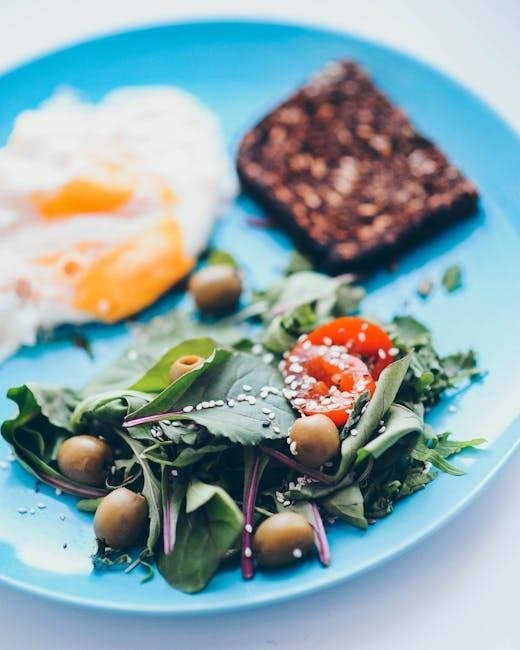
The sample plan features breakfast options like oatmeal with banana, lunch choices such as grilled chicken salad, and dinner suggestions including baked fish with steamed vegetables. Each day incorporates probiotic-rich foods like yogurt and high-fiber options like sweet potatoes. Portion sizes are carefully considered to encourage frequent, smaller meals.
The diet for ulcers PDF also provides adaptable recipes and shopping lists, making implementation straightforward. It stresses the importance of listening to your body and adjusting the plan based on individual tolerance. This meal plan serves as a starting point for creating a personalized dietary approach to ulcer management.
The Connection Between Stress & Ulcers (and Diet’s Role)
While not a direct cause, stress can exacerbate ulcer symptoms and hinder healing. The latest federal nutrition advice, emphasizing whole foods, indirectly supports stress management through improved overall health. Our diet for ulcers PDF acknowledges this connection, advocating for a holistic approach.
Chronic stress impacts digestion and can increase stomach acid production. A diet rich in nutrients, as detailed in the diet for ulcers PDF, can bolster the body’s resilience to stress. Focusing on easily digestible foods reduces digestive burden, lessening the impact of stress on the gut.
The PDF also suggests incorporating calming foods like chamomile tea and emphasizes the importance of mindful eating. By combining a supportive diet with stress-reduction techniques, individuals can significantly improve ulcer management and overall well-being.
Ulcer Diet & Medication Interactions

Certain medications used to treat ulcers, like antibiotics for H. pylori or acid reducers, can have dietary implications. Our comprehensive diet for ulcers PDF details potential interactions to ensure optimal treatment efficacy and minimize side effects.
For example, some antibiotics are best absorbed when taken with food, while others require an empty stomach. The diet for ulcers PDF provides specific guidance on timing meals around medication schedules. Additionally, certain foods can interfere with medication absorption – a crucial point addressed within the guide.
Furthermore, the PDF highlights the importance of maintaining adequate hydration, especially when taking medications that can cause dehydration. It also emphasizes the need to discuss any dietary changes with a healthcare professional to avoid adverse interactions and personalize the dietary plan.
Resources for Further Information (PDF Downloads)
To support your journey towards ulcer healing, we offer a collection of downloadable resources, including a detailed diet for ulcers PDF. This comprehensive guide provides practical meal plans, food lists, and expert advice tailored to managing your condition through nutrition.
The diet for ulcers PDF also includes information on potential medication interactions, symptom tracking, and strategies for long-term ulcer management. Additional downloadable PDFs cover topics like stress reduction techniques – recognizing the link between stress and ulcer aggravation – and recipes designed to soothe the digestive system.
We also provide links to reputable organizations offering further support and information on peptic ulcers. These resources are regularly updated to reflect the latest research and dietary recommendations. Access these valuable tools today to empower your healing process!